Skip to content

Built around your equipment, not our catalog

Most inquiries that reach us do not match a standard configuration: a battery bay with awkward dimensions, a controller that needs CAN telemetry, a duty cycle that breaks the usual assumptions. That is the work, not an exception to it.

What you can specify

Voltage

12V through 80V, series count set by the target system

Capacity

Sized to the runtime you need, not to a round catalog number

Cell format

Prismatic, large-cylindrical or long-cell, chosen by duty cycle

Enclosure

Case dimensions, terminal position and mounting to your bay

BMS

Current rating, balancing strategy, protection thresholds

Communication

Bluetooth, CAN 2.0B, RS485 — whatever your controller speaks

Thermal

Self-heating film, thermal management for temperature extremes

Branding

Your label, your case color, your documentation

How a program runs

Four stages. You see working hardware and test data before committing to volume.

Requirements
01

Requirements

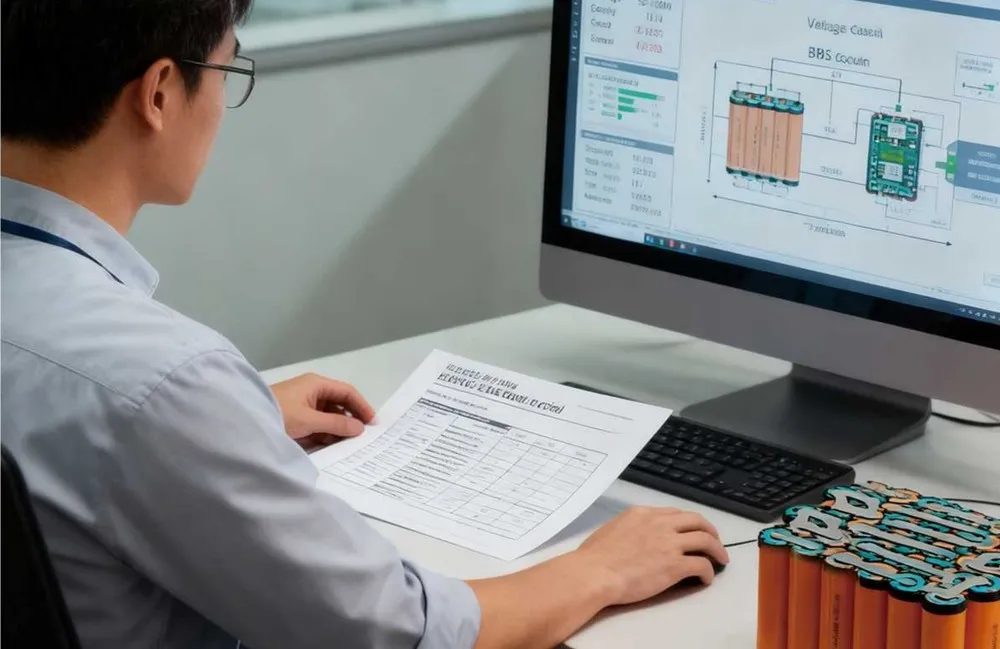
An engineer works through the application with you: vehicle or equipment type, duty cycle, operating environment, runtime target, weight and dimensional limits, and the budget envelope you are working inside.

  • Application brief
  • Constraint list
  • Indicative budget range
Design
02

Design

Voltage, capacity, cell format, enclosure geometry, terminal layout, connector and BMS functions are specified. You see a 3D model and a performance simulation before any tooling is committed.

  • 3D model
  • Performance simulation report
  • Draft specification sheet
Sample & test
03

Sample & test

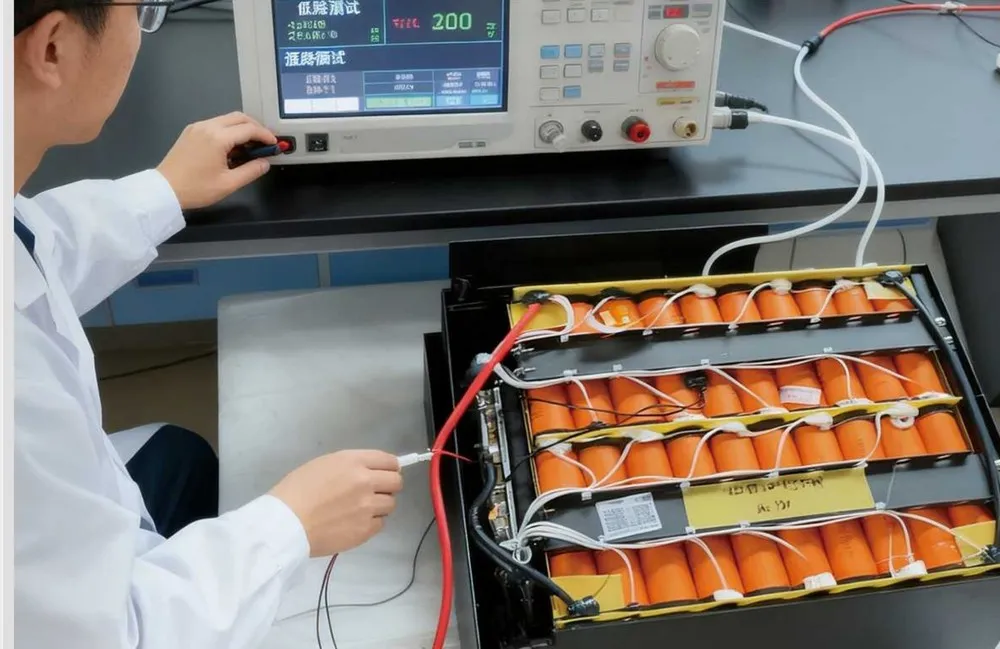
A functional sample is built and put through high- and low-temperature cycling, vibration and short-circuit testing. You are welcome to attend validation in person, and the test data comes to you either way.

  • Functional sample
  • Reliability test data
  • Fit verification
Production
04

Production

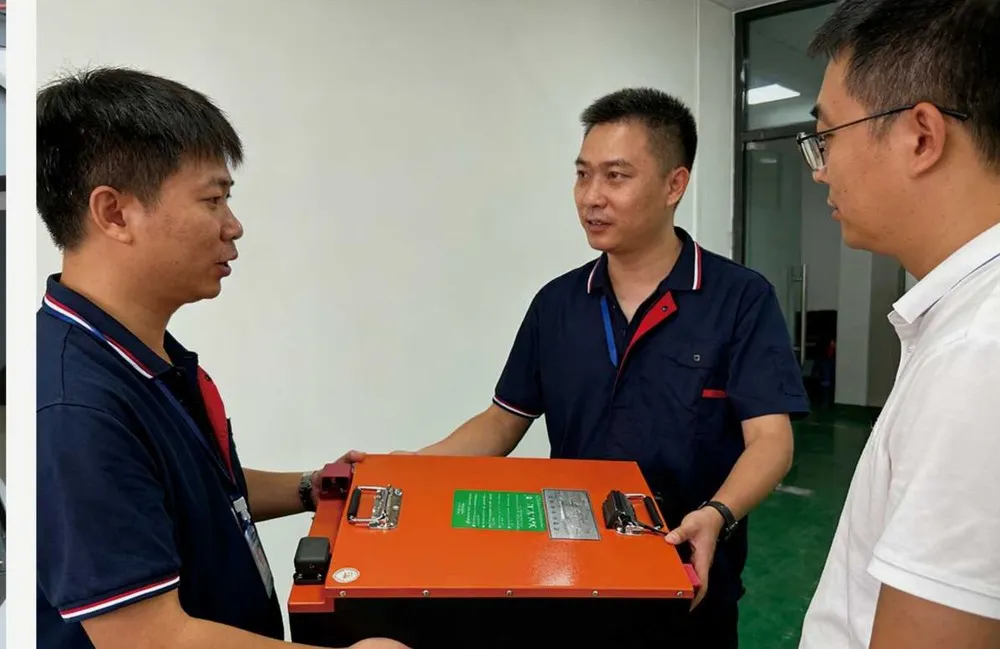
Volume build against the approved sample with schedule tracking. Installation guidance and maintenance training are handed over with the first shipment.

  • Production units
  • Installation guide
  • Maintenance training

Order quantities

OEM and ODM programs typically start around 200 units for a new enclosure design. Configurations built on an existing platform can run smaller. Ask, and we will tell you straight whether the tooling math works at your volume.

Lead times

Sample builds usually run three to five weeks from a frozen specification. Production lead time depends on volume and cell availability, so it is quoted per program rather than promised generically.

Shipping

Direct factory pricing with FCL and LCL shipping to North America, and consolidated logistics support. Cells are UN38.3 certified for air and sea freight. We do not hold North American stock — everything ships against order.

Start with the constraint

The bay dimensions, the runtime, the temperature, the protocol — whichever one is hardest. Leading with the constraint is the fastest way into a useful conversation.

Request a Quote