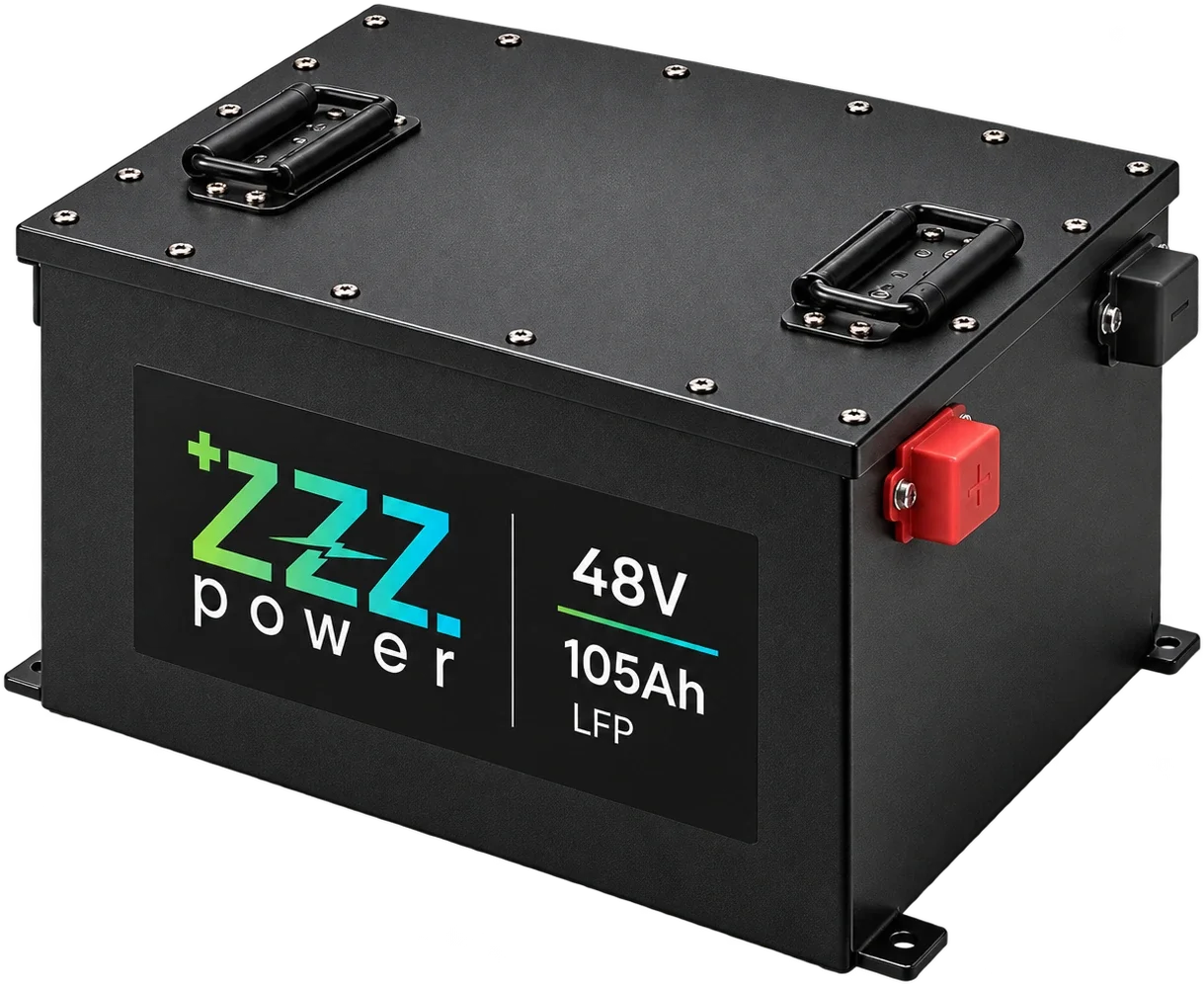
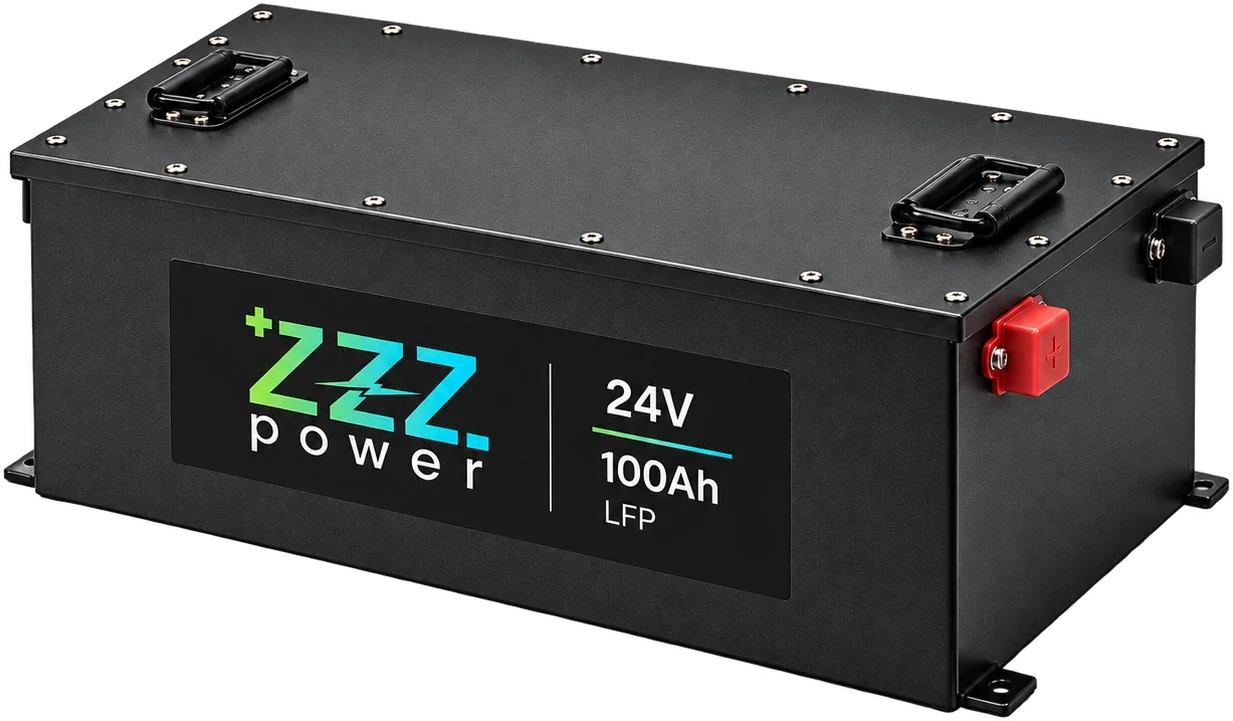
LFP systems · built to order
Custom LFP battery systems, engineered for North America
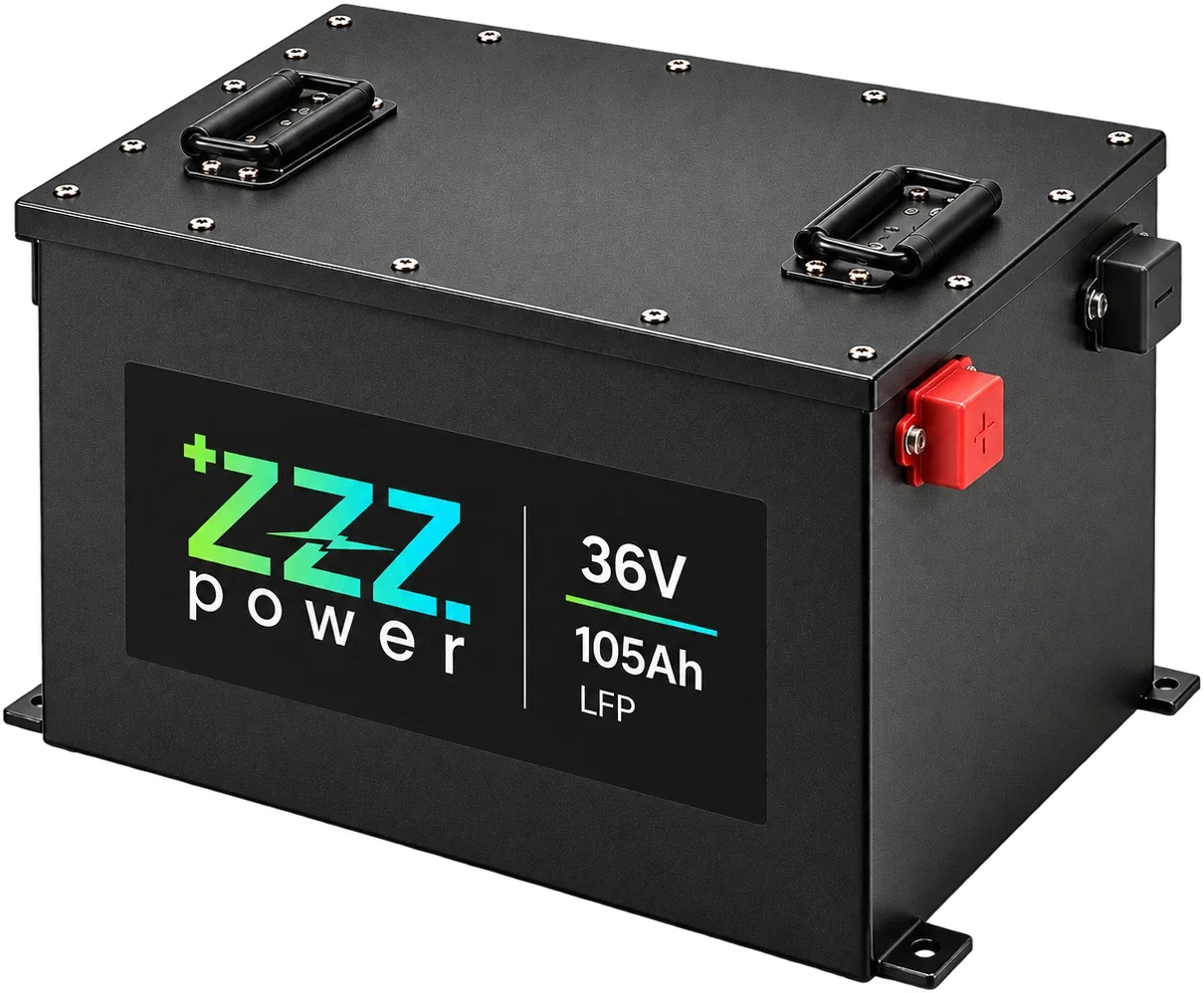
48V golf cart packs, forklift traction batteries and storage systems — all lithium iron phosphate (LFP), all built to your voltage, your enclosure and your duty cycle. Not a catalog you have to design around.
Direct factory pricing · FCL & LCL shipping to North America · OEM / ODM from 200 units

3 GWh
Annual LFP capacity
across manufacturing partners
3,000+
Charge cycles
to 80% remaining capacity
3 Years
Standard warranty
transparent, no tiering
UN38.3
Transport certified
ISO 9001 / 14001 / 45001 facilities
Five applications, one engineering approach
Every line starts from the same question: what does this machine actually do all day? The pack is specified backwards from the answer.

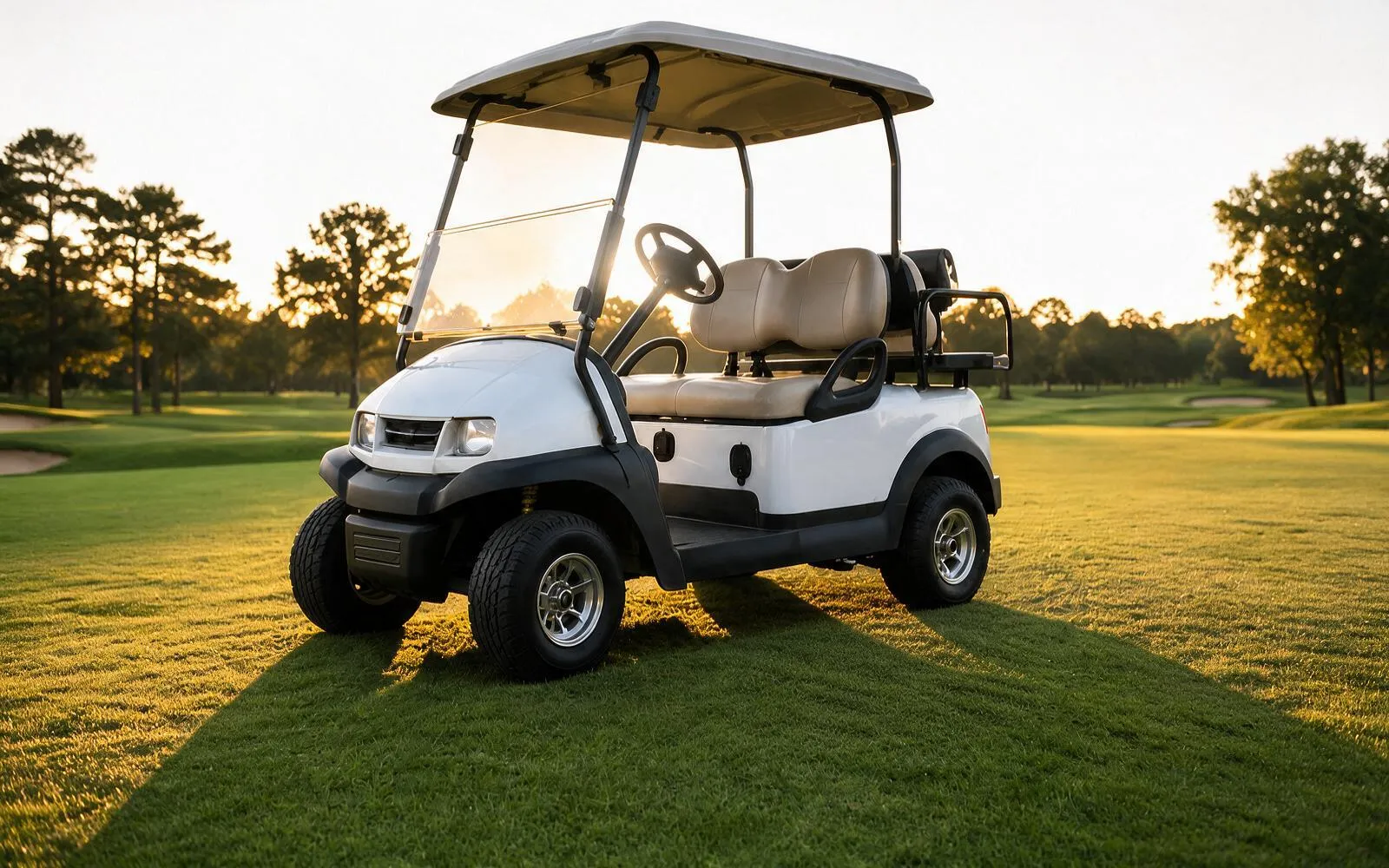
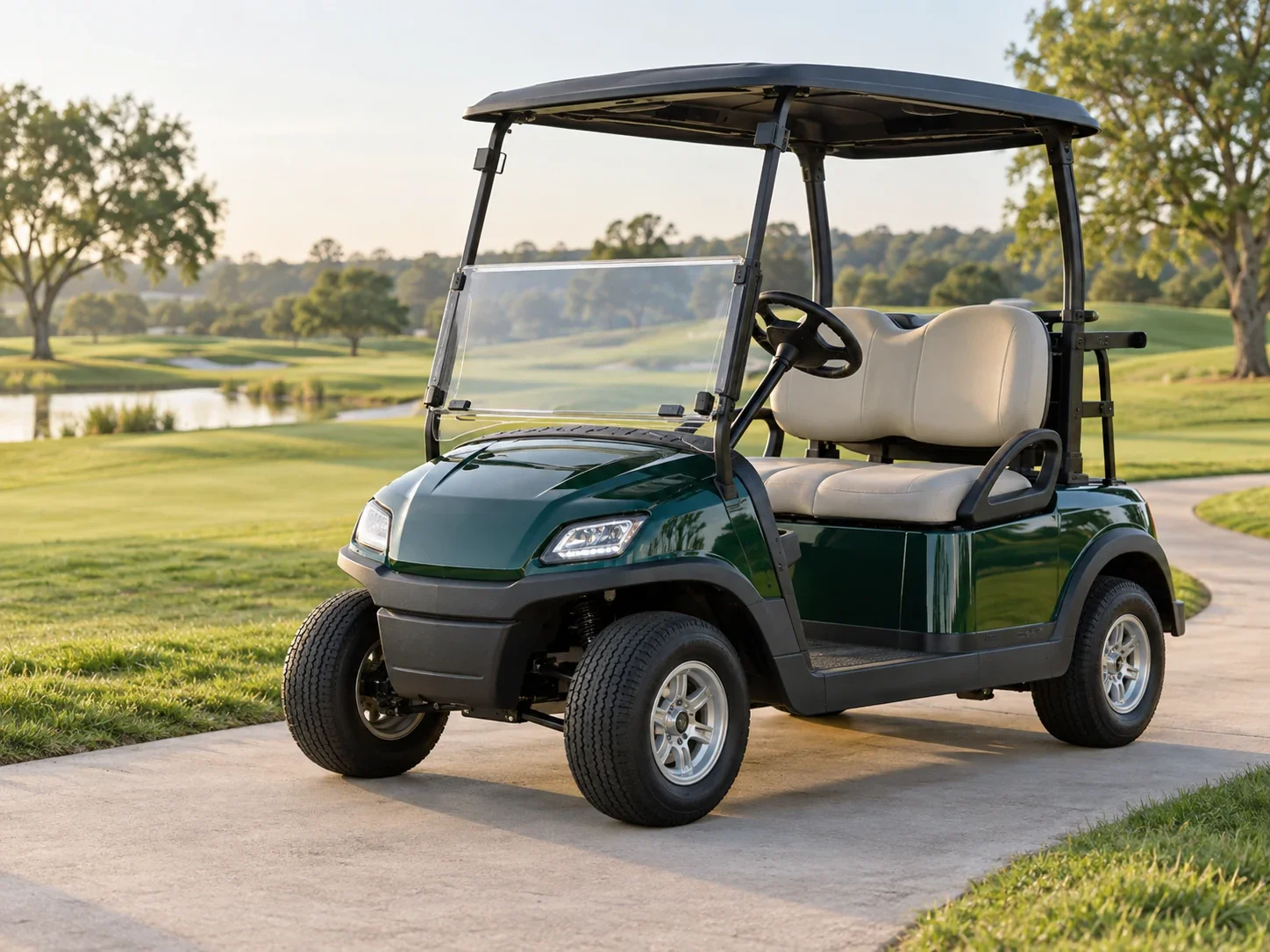
Golf Cart & LSV
48V drop-in packs that take roughly 260 lbs out of a lead-acid bank.
View range
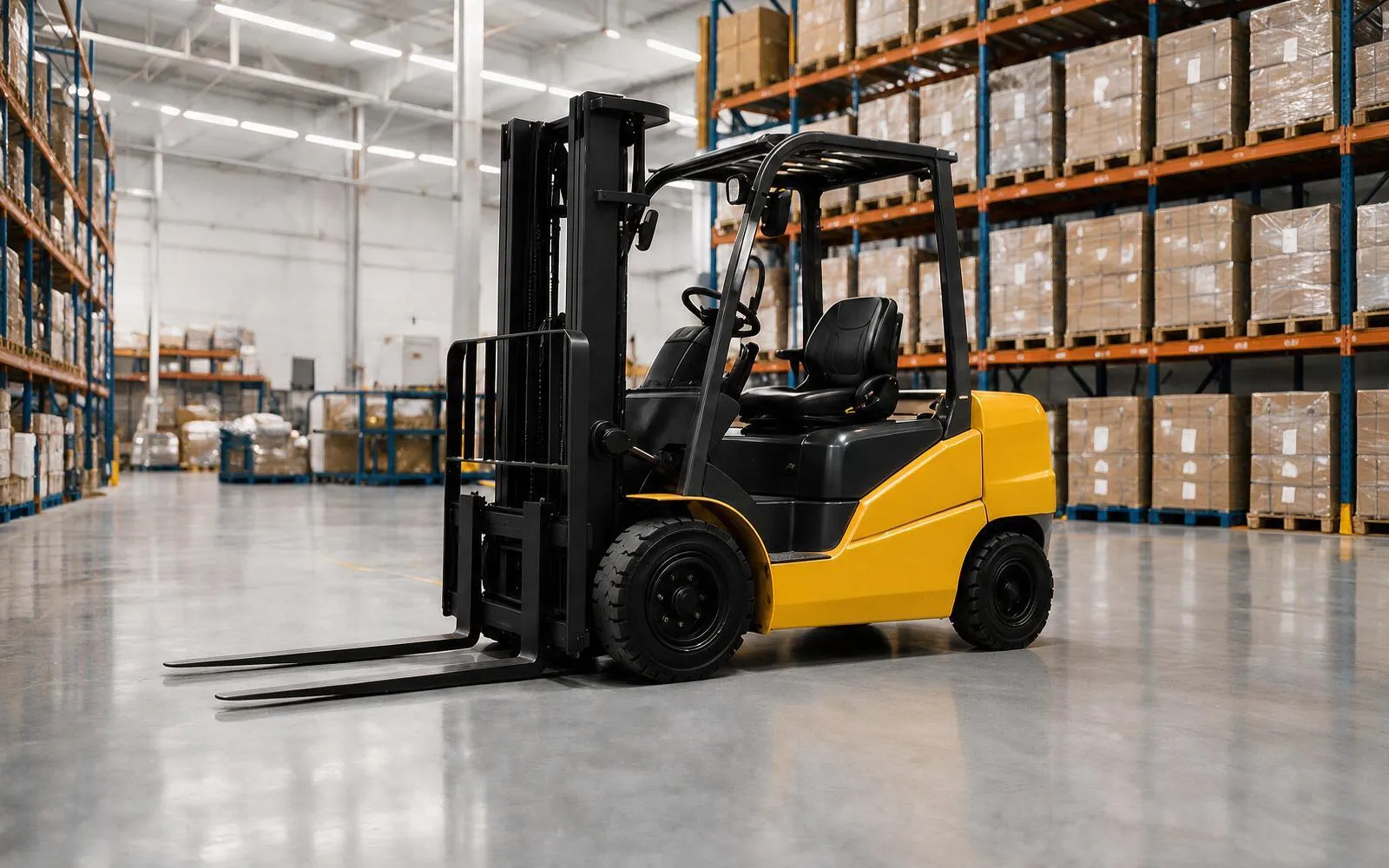
Forklift & Industrial
48V to 80V traction packs built for multi-shift duty and opportunity charging.
View range
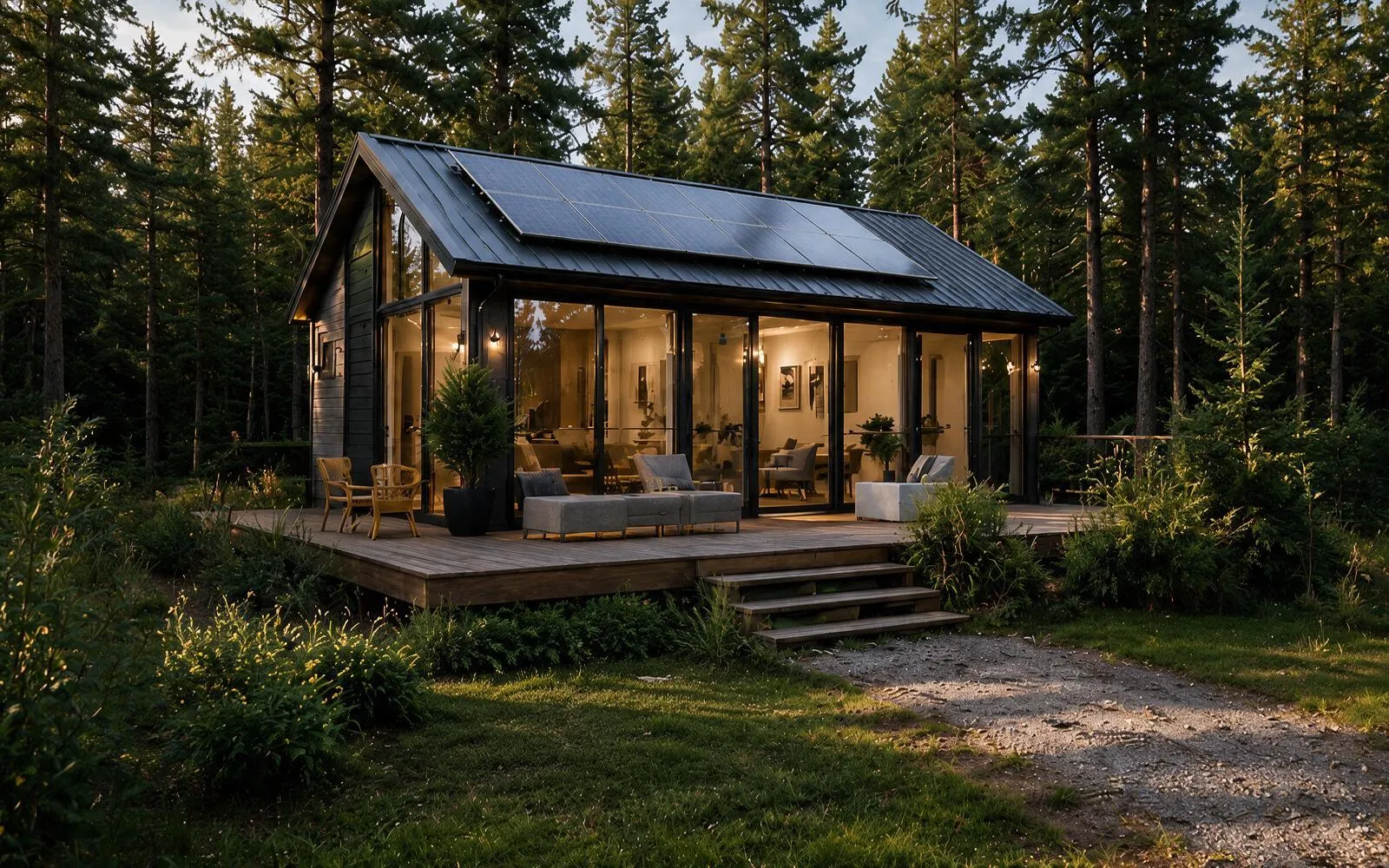
Energy Storage
Residential, commercial and portable systems from 1.8 kWh up.
View range
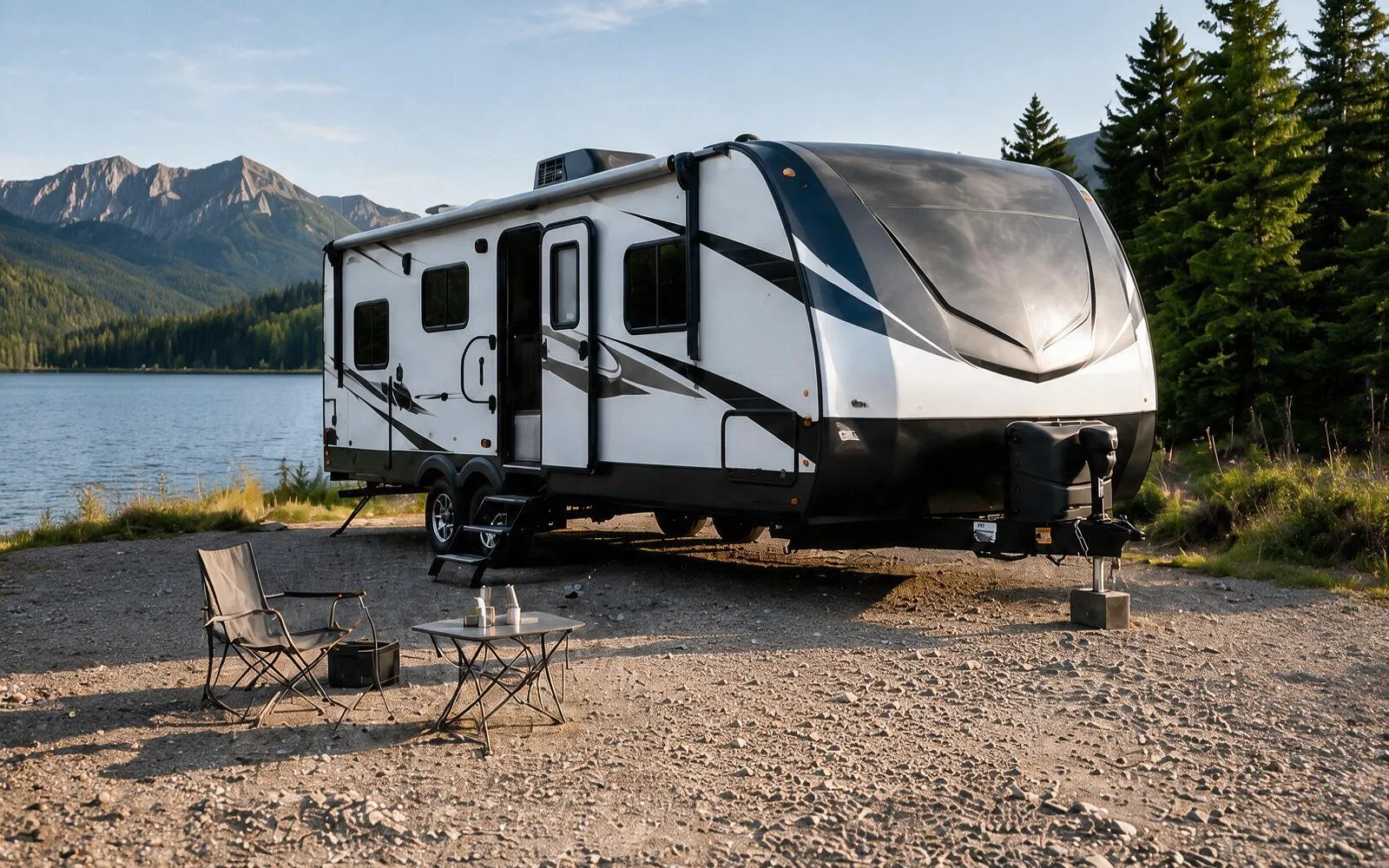
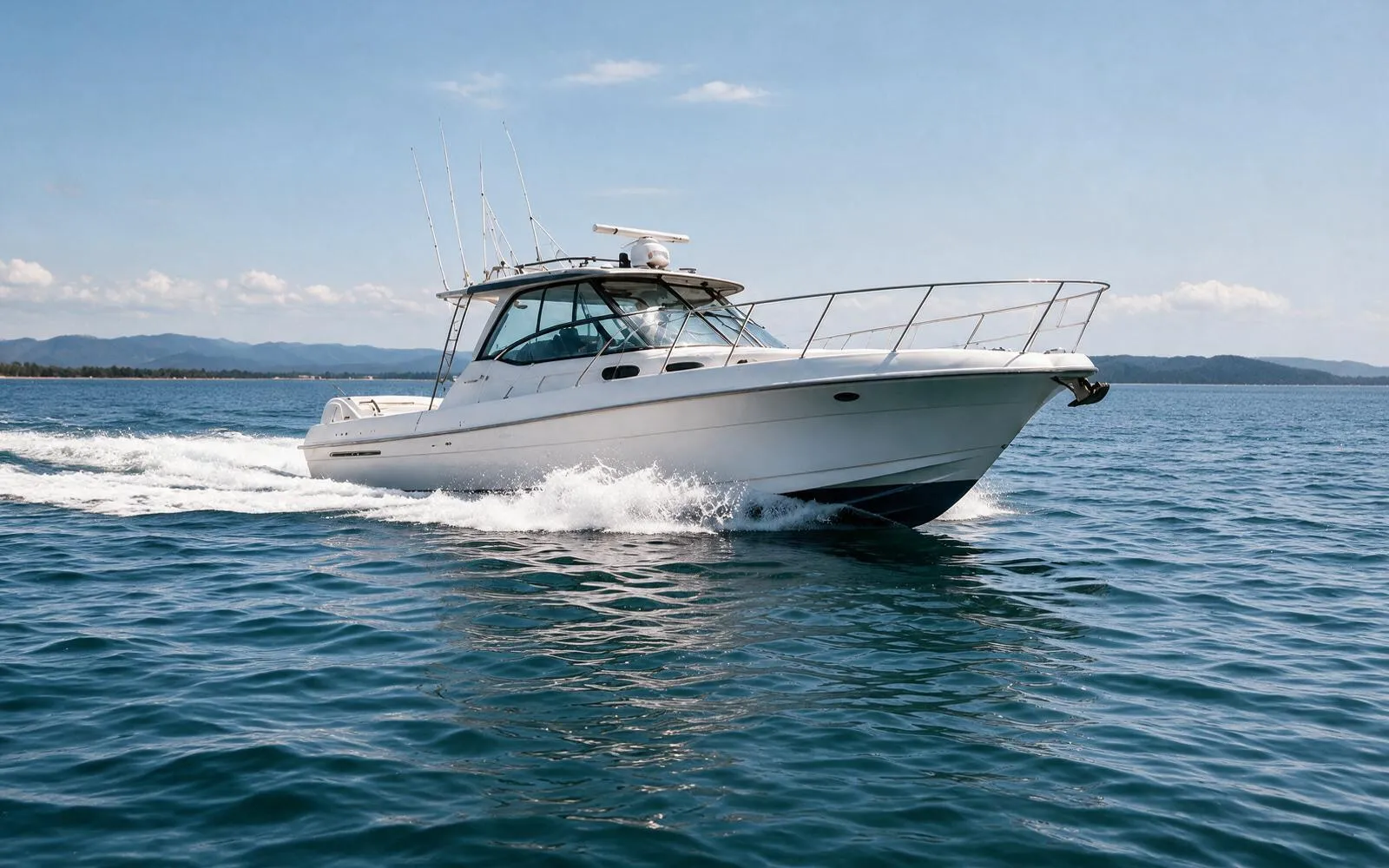
RV & Marine
High-capacity house banks that still take a charge below freezing.
View range
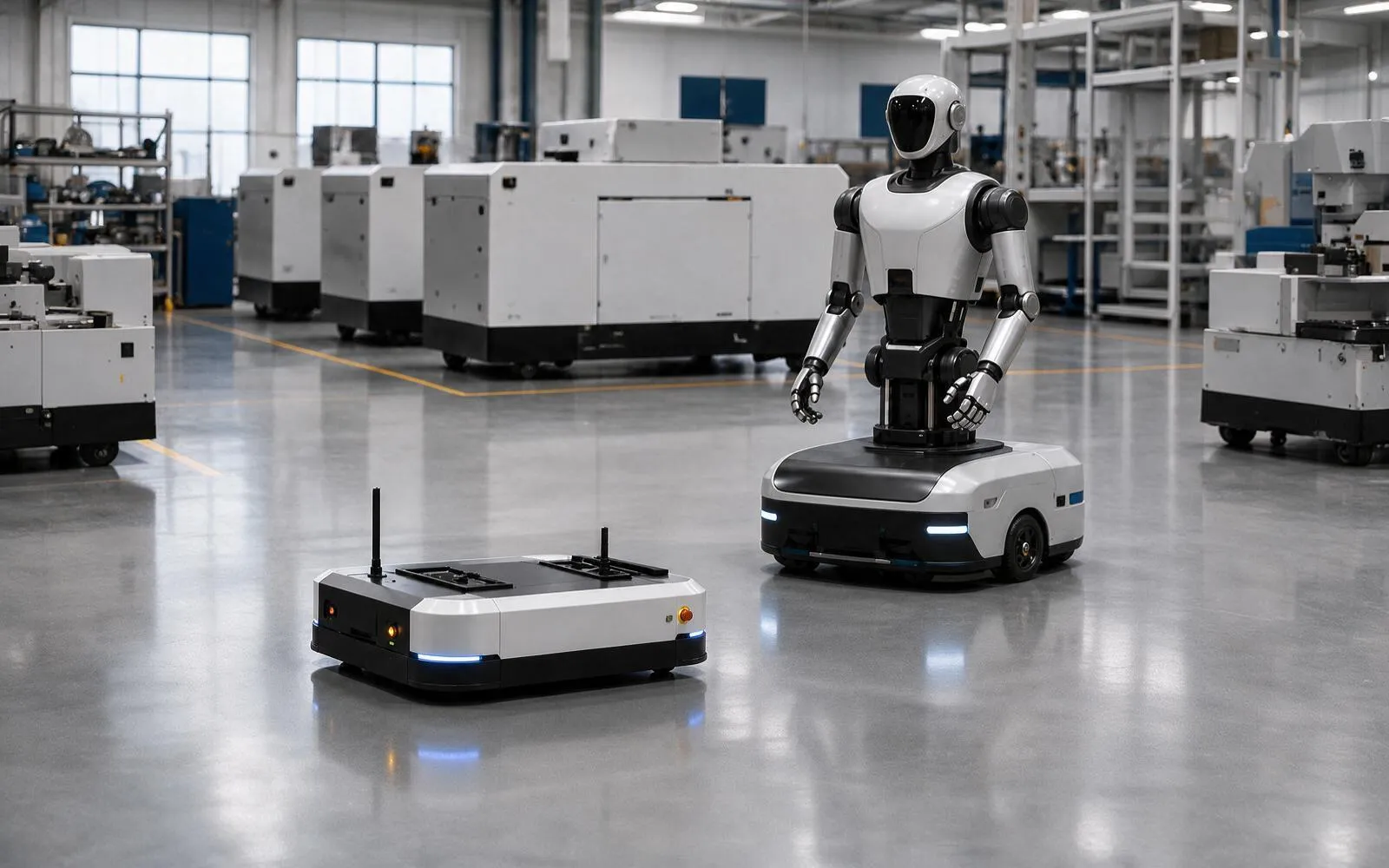
Robotics & AGV
Compact packs with CAN / RS485 telemetry for AGV, AMR and service robots.
View rangeWhere we differ
We don't force one cell format into every application
A 48V 105Ah golf cart pack takes 15 prismatic cells. Built from large-cylindrical cells, the same pack takes about 105 — seven times the welds, a fifth more weight and a third more volume, all to buy fast-charge headroom that a cart sitting on a charger overnight will never use.
That same cylindrical cell is the right answer in a forklift running three shifts on opportunity charging. The format is a decision, not an identity.
How we select
What you get working with us
The cell format follows the application
Prismatic where energy density and a simple pack win. Large-cylindrical where the duty cycle is genuinely high-rate. Long-cell where system integration matters more than either. Most suppliers sell whichever format their line already runs.
Built to your enclosure
Voltage, capacity, terminal position, connector and case dimensions all get specified around the equipment. Redesigning a battery tray to fit a catalog box is backwards, and we do not ask you to do it.
BMS with eight-layer protection
Over-charge, over-discharge, over-voltage, over-current, overload, short circuit, over-temperature and over-power — enforced in hardware and software, with cell-level monitoring.
Wide operating window
Rated from −4 °F to 149 °F (−20 °C to 65 °C). Self-heating is available where charging below freezing is an actual operating requirement rather than a spec-sheet line.
Direct from the production line
No distributor tier between you and the plant. Manufacturing partners run 3 GWh of annual LFP capacity across two production bases.
Warranty we can actually defend
Three years, stated plainly, with the conditions written out. We would rather publish a number that holds up than a larger one that unravels on the first claim.
From requirement to production
OEM and ODM programs run through four stages. You see hardware before you commit to volume.
01Requirements
Vehicle or equipment type, duty cycle, operating environment, runtime target, weight and dimensional limits, budget envelope.
02Design
Voltage, capacity, cell format, enclosure geometry and BMS functions specified. You get a 3D model and a performance simulation before anything is cut.
03Sample & test
A functional sample goes through high- and low-temperature cycling, vibration and short-circuit testing. You are welcome to sit in on validation.
04Production
Volume build against the approved sample, with installation guidance and maintenance training at handover.
Tell us what the equipment has to do
Send the vehicle or machine, the runtime you need and the space you have to work with. You get back a specification and an indicative price — not a brochure.